 The Global Shift Network
The Global Shift Network
The Global Shift Network
By Taiwan Strait Tracker Intelligence Team | February 2026
Answering the most common economic question of the decade: If the official economy is doing so well, why do I feel so broke?
Turn on any financial news network, and you will hear a remarkably consistent story: the economy is remarkably resilient. Gross Domestic Product (GDP) is growing, unemployment remains historically low, and major stock indices like the S&P 500 continue to hit all-time highs.
But when you talk to everyday people at the grocery store or the petrol pump, the story flips completely. People feel poorer. Housing feels permanently out of reach. A standard trip to the supermarket causes genuine budget anxiety. There is a massive disconnect between the macroeconomic numbers and the microeconomic reality of everyday households.
This is not a collective delusion. It is the result of a structural fracture in how wealth is generated, and it comes down to a simple division: the Tale of Two Economies.
To understand the modern economy, you have to stop looking at averages. Averages hide the truth. If a billionaire walks into a crowded pub, the "average" net worth of everyone in that room suddenly skyrockets, but no one actually got any richer.
The economy has firmly split into two distinct classes.
First, there is the Wage Earning Class. This group relies entirely on a salary for their survival. Their primary economic inputs are the costs of daily essentials like rent, food, electricity, and transport. When the price of eggs or petrol goes up, their standard of living immediately goes down, because their wages rarely rise fast enough to match the speed of inflation.
Second, there is the Asset Owning Class. This group holds significant capital in things like premium real estate, equity portfolios, and business ownership. While they also buy groceries, those expenses represent a tiny fraction of their overall wealth.
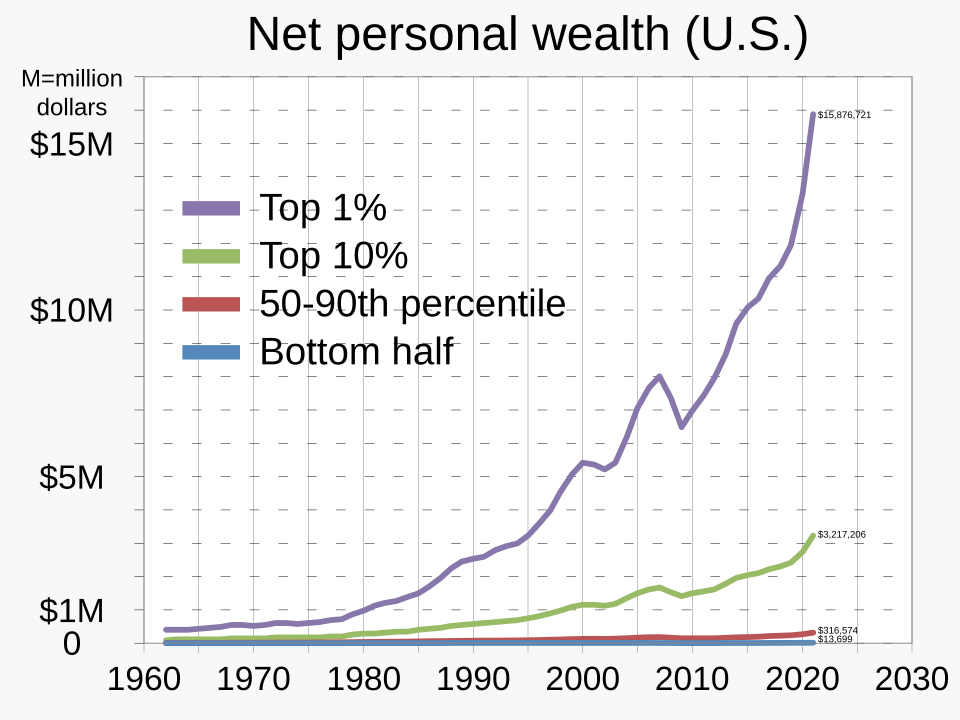
So, what happens when global friction occurs? Let us look at what happens when a geopolitical choke point like the Taiwan Strait or the Red Sea faces severe disruption.
When the global supply chain fractures, the cost of moving physical goods explodes. Ships have to take longer routes, burning more fuel. Insurance premiums for cargo ships multiply overnight. This geopolitical friction acts as a massive tax on the entire system.
Companies do not just absorb these costs out of the goodness of their hearts. They pass them directly down the chain to the consumer. This causes a sudden, sharp spike in the cost of basic survival. Food becomes more expensive to transport. Energy costs rise. The Wage Earning Class takes a direct hit to their quality of life.
Here is where the inequality accelerates. When global chaos drives up prices and slows down growth, central banks often step in to "save" the economy by printing money or lowering interest rates. They inject liquidity into the financial system to keep it from freezing.
But that newly printed money does not flow evenly into the pockets of everyday workers. It flows into financial assets. The stock market surges. Real estate values climb higher.
The Asset Owning Class holds a built-in "Inflation Shield". Because they own the things that are inflating in value, their net worth actually grows during periods of economic distortion. Meanwhile, the Wage Earning Class is left holding cash that is depreciating in value, trying to buy essentials that are appreciating in price.
This structural fracture is exactly why we built the Wealth Inequality Index.
By tracking the real-time growth of financial assets (the rich getting richer) against the rising costs of agricultural and energy commodities (the cost of survival), we can measure exactly how fast this gap is widening.
→ View the Live Wealth Inequality IndexThe stock market is not the economy. When you see headlines celebrating new market highs, remember that for a significant portion of the population, those highs are actively pricing them out of a comfortable future.