 The Global Shift Network
The Global Shift Network
The Global Shift Network
By Taiwan Strait Tracker Intelligence Team | February 2026
We have built a global economy assuming that moving a physical good from a factory in Asia to a shelf in the West will always be cheap and safe. That era is over.
For the last thirty years, the global economy has run on a very specific, highly optimistic assumption: peace. We designed "just-in-time" manufacturing systems assuming that a part made in Shenzhen could seamlessly arrive at an assembly plant in Germany exactly when it was needed. We assumed the oceans would remain safe, open, and cheap to navigate.
Because of this assumption, companies stopped storing excess inventory. Warehouses were viewed as an unnecessary expense. The ocean itself became the global warehouse.
But the ocean is far more fragile than we like to admit.
Approximately 80% of all global trade by volume travels by sea. However, this massive flow of goods does not move freely across open water. It is forced to funnel through a handful of narrow maritime choke points. The Suez Canal, the Panama Canal, the Strait of Malacca, and the Taiwan Strait are the arteries of the global economy.
When these choke points are threatened by geopolitical conflict, piracy, or blockades, the entire system begins to back up. Ships are forced to reroute thousands of miles around continents, adding weeks to delivery times and burning millions of dollars in extra fuel.
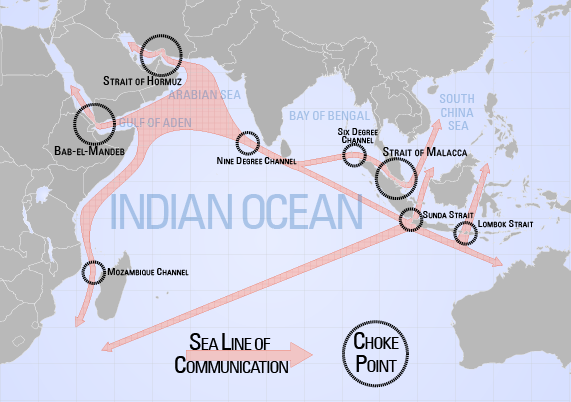
When the oceans become dangerous, two things happen immediately. First, shipping insurance premiums skyrocket. In areas of active conflict, the cost to insure a massive cargo vessel can jump by hundreds of thousands of dollars per voyage. Second, as ships take longer, safer routes, the demand for maritime fuel spikes.
This creates a compounding crisis. Crude oil prices increase due to the same geopolitical tensions, making the extra fuel required for longer journeys even more expensive. This dual spike in freight rates and energy costs represents a massive friction tax on global trade.
Because companies operate on razor-thin margins, they cannot absorb these costs. The price of moving a shipping container from Shanghai to Los Angeles eventually dictates the price of a television, a pair of sneakers, or a car on the retail floor. The geopolitical risk premium is passed directly to the consumer in the form of persistent inflation.
The Taiwan Strait is arguably the most critical of these maritime choke points. Nearly half of the global container fleet and a vast majority of the world's largest ships pass through this narrow body of water every year. It is the primary exit point for the manufacturing hubs of East Asia.
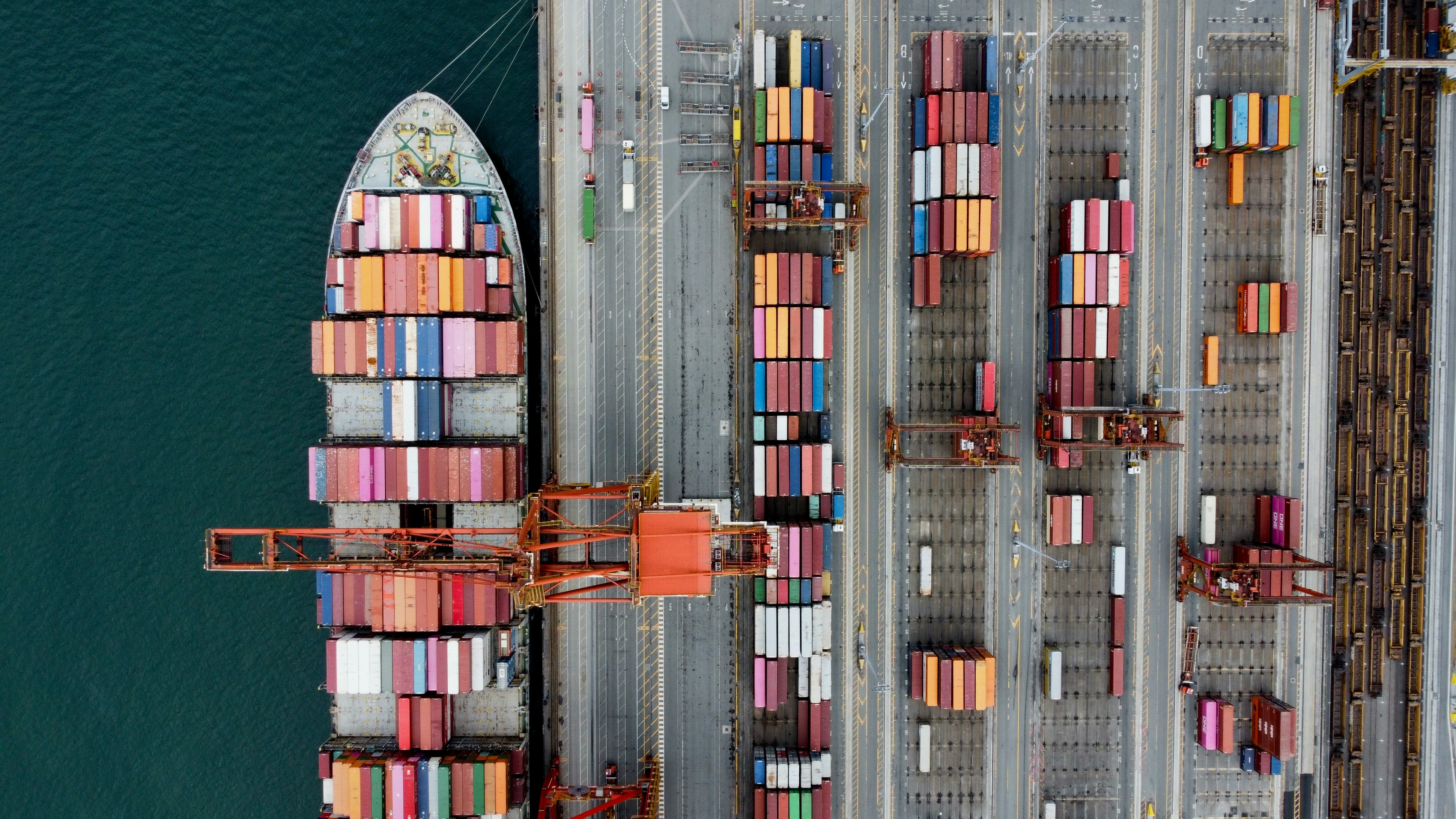
A blockade or conflict in the Taiwan Strait would not just isolate Taiwan; it would effectively freeze the export of Asian manufacturing. Western factories that rely on imported parts would be forced to halt production within days. The "just-in-time" supply chain would collapse, leading to immediate product shortages and massive price hikes across the globe.
To monitor this threat, we built the Supply Chain Fracture Index.
By tracking the real-time volatility of global freight rates and crude oil prices, this dashboard provides an early warning system for global trade friction. When the index flashes red, the cost of moving physical goods is breaking down.
→ View the Live Supply Chain IndexThe era of frictionless globalisation was an anomaly, not the rule. As geopolitical tensions rise, the cost of securing the global supply chain will continue to rise with it. Cheap shipping is no longer a guarantee; it is a luxury of peacetime.