 The Global Shift Network
The Global Shift Network
The Global Shift Network
By Taiwan Strait Tracker Intelligence Team | February 2026
If you own the S&P 500, you own Taiwan.
It’s a bold statement, but the math backs it up. While Taiwan Semiconductor Manufacturing Co. (TSMC) might only make up a fraction of your index fund directly, it is the beating heart of the "Magnificent Seven." Apple, Nvidia, AMD, Qualcomm—none of these giants can ship a flagship product without the wafers coming out of Hsinchu and Tainan.
This reliance has birthed the theory of the "Silicon Shield": the idea that Taiwan’s dominance in advanced chips is so critical to the global economy that it acts as a forcefield against invasion. The logic goes that China (and the West) cannot afford to shatter the supply chain.
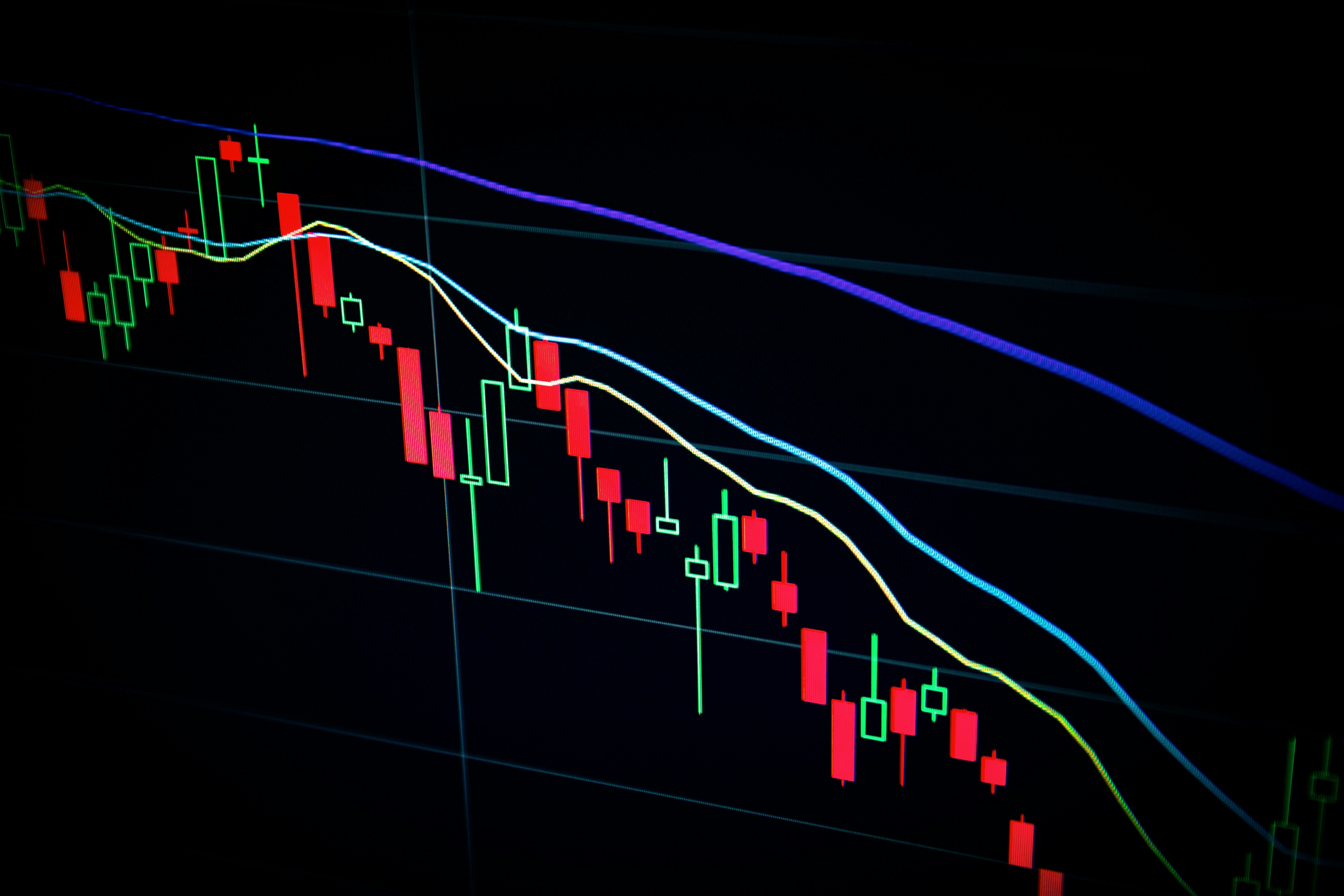
Geopolitical analysts often treat TSMC stock ($TSM) as a real-time fear index. The assumption is simple:
But does the data actually support this? Or are we seeing ghosts in the machine?
We looked at TSMC’s volatility relative to the S&P 500 ($SPY) and the Philadelphia Semiconductor Index ($SOX) over the last 5 years. Here is the reality:
The "Coupling" Effect: TSMC rarely falls alone. When TSM dips 1%, it is usually dragging—or being dragged by—the broader semiconductor sector. The correlation coefficient between TSM and Nvidia is historically high.
The False Positives: We found multiple instances where TSM stock dipped on "geopolitical headlines" (e.g., Nancy Pelosi’s visit in 2022) only to recover within weeks. Selling on these headlines would have historically resulted in underperformance.
The Verdict: A 1% dip in TSMC is usually an economic signal, not a military one.
We aren't saying you should panic-sell. The "Silicon Shield" has held strong for decades. But "hope" is not a hedge.
If you are concerned about the Tail Risk (a low probability, high impact event), consider these adjustments:
Don't rely on delayed market signals. Check our live dashboard for ADIZ incursions, rhetoric analysis, and the daily conflict score.
→ View Live Dashboard