 The Global Shift Network
The Global Shift Network
The Global Shift Network
By Taiwan Strait Tracker Intelligence Team | February 2026
In geopolitics, news is a lagging indicator. By the time a headline about a missile strike or a naval blockade hits the mainstream media, institutional capital has already moved. To accurately assess the risk of global conflict, you cannot rely on rhetoric; you have to measure the "Risk Premium".
The Risk Premium is the extra return that investors demand to hold an asset in a volatile environment. In our architecture, we measure this by tracking capital flight. When the smart money senses genuine escalation, it quietly exits broad, exposed equities and rotates into hard assets, defence contractors, and energy futures.
A single stock moving down tells us nothing. Markets are inherently noisy. The signal we are looking for is divergence.
On the Taiwan Strait Tracker, our primary market algorithm measures the real-time spread between the S&P 500 (SPY) and Taiwan Semiconductor Manufacturing Company (TSM). In a healthy, "risk-on" environment, these two assets generally track together. Tech drives the market. However, if SPY remains relatively stable while TSM experiences sudden, uncoupled downward pressure, it strongly indicates that institutions are pricing in specific, localised risk to the island's manufacturing capability.
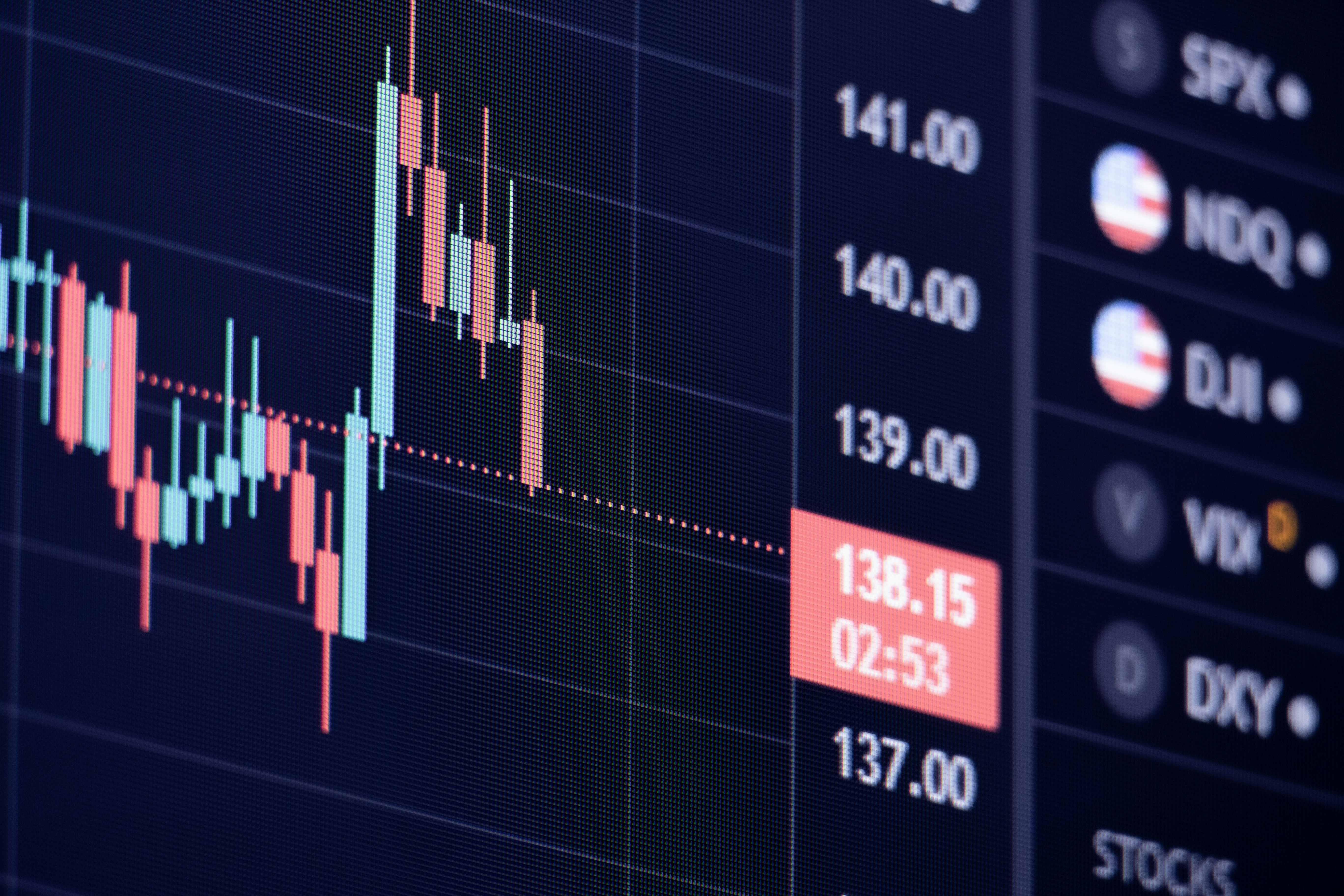
This same quantitative logic applies to our Middle East tracking. Analysing political speeches out of the region provides very little actionable data. Instead, we monitor the immediate pricing of Brent Crude and the performance of major defence ETFs.
A sudden spike in oil futures indicates that the market genuinely believes physical supply lines through the Strait of Hormuz are at risk. It is a direct quantification of fear. When you combine this market data with algorithmic keyword scraping, you create a robust, two-factor authentication for geopolitical tension.
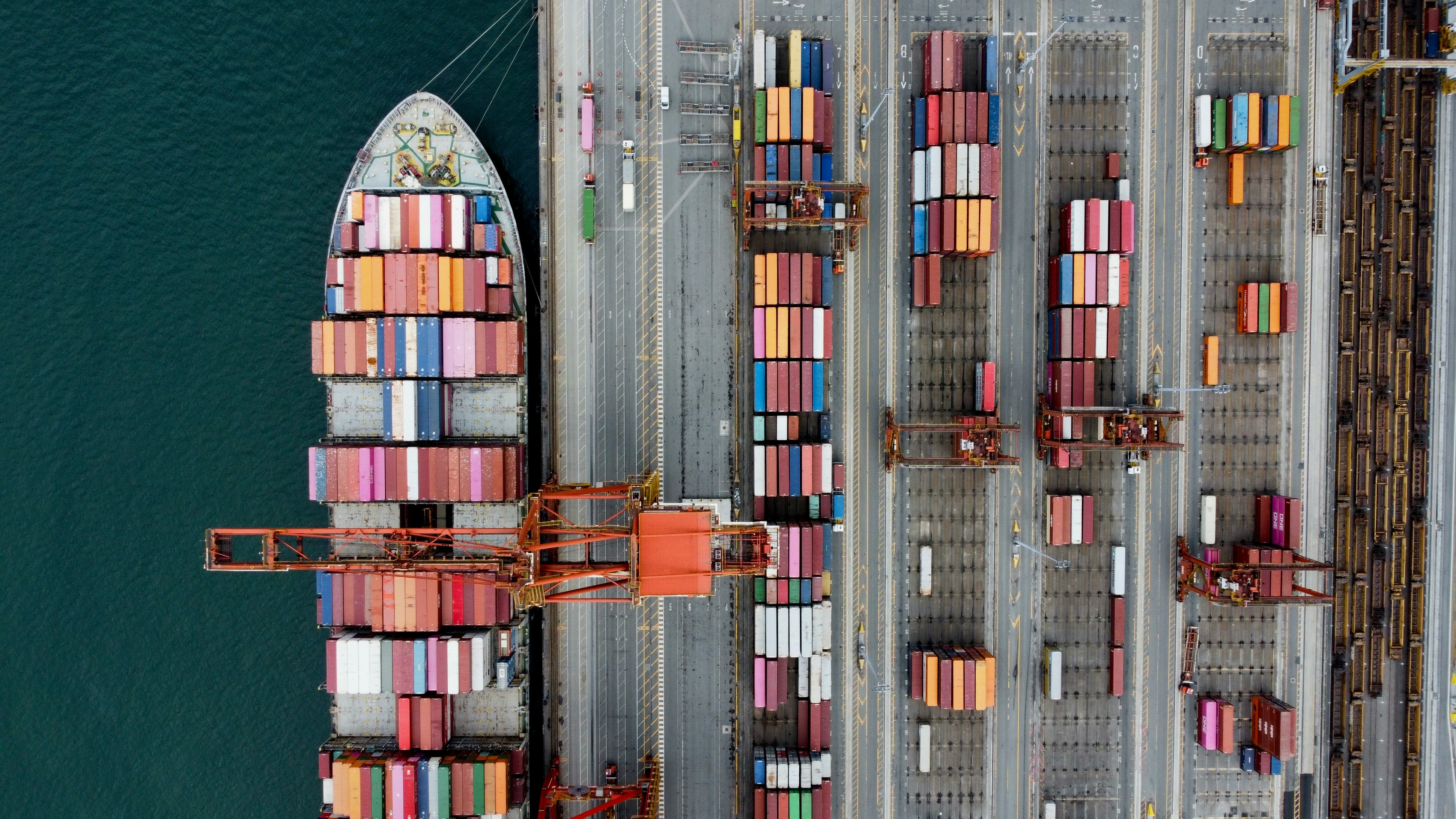
Our algorithms continuously scrape OSINT feeds and correlate them with live financial data to generate a daily Risk Score for the world's most vulnerable maritime chokepoints.
→ View the Live Dashboard